

Learn how to do a toy rotation and why using this method can encourage more play – not to mention less time spent cleaning!
Today I want to share my secret for keeping my house semi-organized and semi-sane with a 3 year old and an 18 month old.
This secret is not only simple, it’s also totally doable and actually quite cathartic.
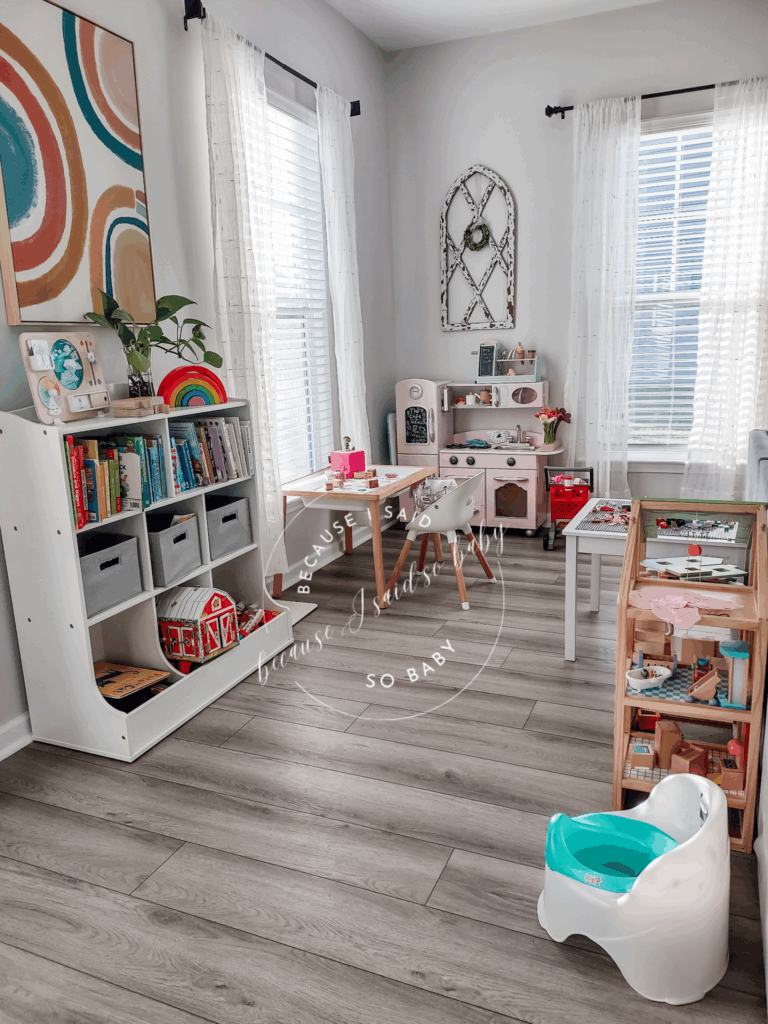
We are talking about Toy Rotation!
What it is, why to do it, and how to set it up.
If you’ve never set one up, by the end of this post you will be running to your nearest Target to buy all the clear storage bins ever made.
Today we will be tackling everything you need to know to set up a successful toy rotation in your home so you can start enjoying more time watching your show at the end of a long day and less time cleaning up the graveyard of toys.

Why rotate toys?
I recently read an article on the website Raised Good that summed up my mantra perfectly. She said…
When kids have too many toys, they “become blinded and overwhelmed with choice. They play superficially rather than becoming immersed deeply and lost in their wild imaginations.”
Between baby registries and Amazon, extended family and birthday parties, kids can end up with a lot of stuff.
So how do you know when too much is, well, too much? How do you know when it’s time to set up a toy rotation in your home?
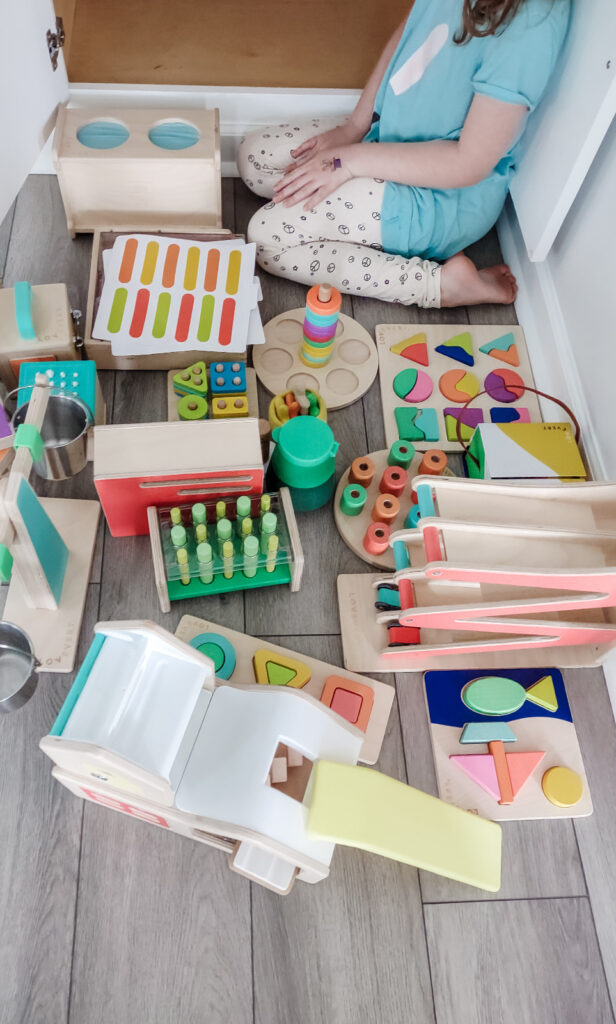
- If your kids simply take out toys (but don’t actually play with them), it’s time.
- If your house is loaded with things (toys, books, games, etc.) but your children are constantly bored or seem uninterested in playing with what they already have, it’s time.
- If you spend more time putting toys away (than the actual time spent playing with them), it’s time.
Shop all of my toy organization on Amazon
So what exactly is a Toy Rotation?
In this post, I’ll use the term toys as a broad, catchall term for anything that gets played with in your home:
- books
- puzzles
- stuffed animals
- games
- dress-up clothes/jewelry
- gross-motor toys (ride-on cars, play strollers, push toys, etc.)
- cars, trucks, etc.

Setting up a rotation of your children’s toys means taking a good portion of their toys and putting them AWAY for a length of time.
Away being the key term; preferably somewhere your kids can’t see, such as the attic or a guest bedroom closet.
- Why have 15 puzzles in the playroom when 5 will do just fine?
- Or 3 different ride-on cars when you can have 1?
- There’s no need to have 100 different toys that your child can play with superficially, when they can immerse themselves in play with 10 meaningful toys.
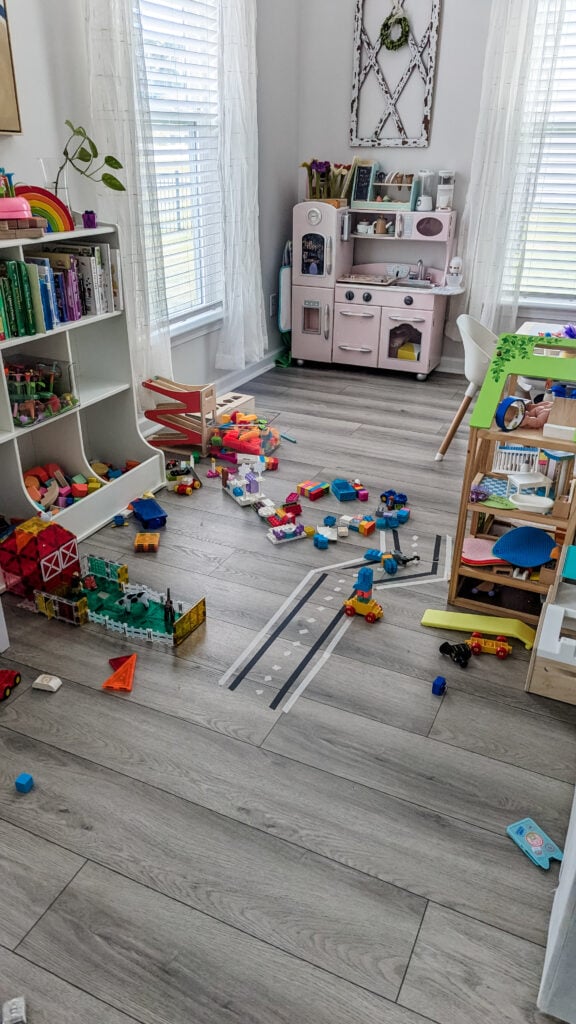
It’s important to note: I do believe that kids need variety, and there’s nothing wrong with having a few different types of open-ended toys or different varieties of the same thing (like magnetic blocks & wooden blocks).
The problem comes when there are way too many of each type of toy, or simply too many options available at once.
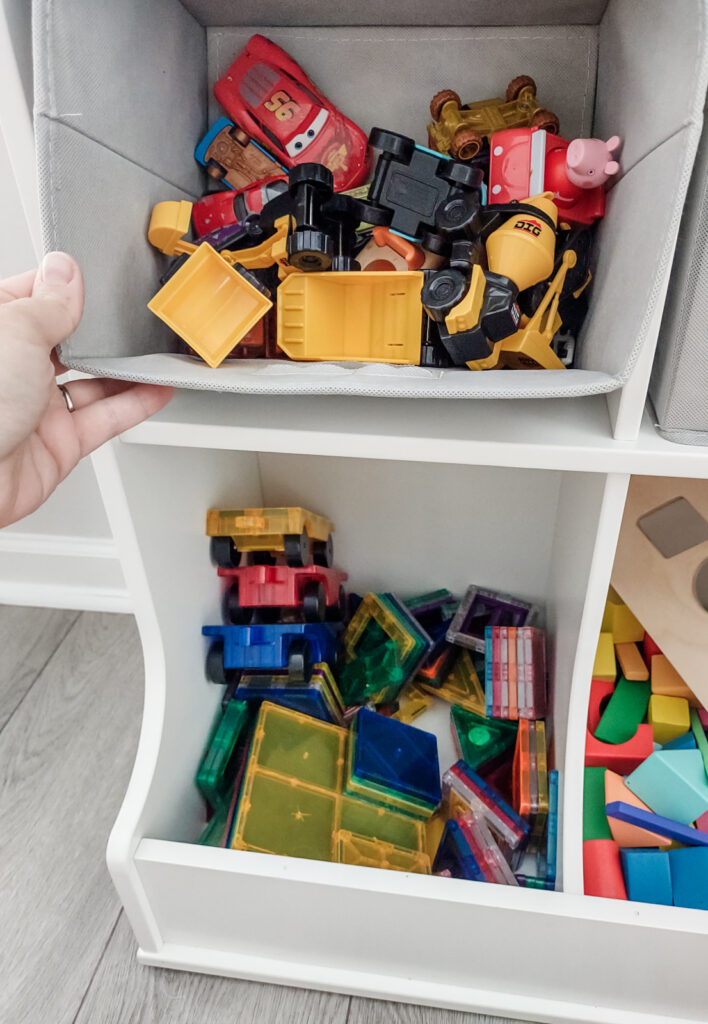
Now, back to the act of putting some toys away: When these toys reappear (in 6 weeks or 6 months), you may find they have a magical quality about them, as if they are brand new.
And after the toys that have been put away rejoin daily life, another batch of toys is put away, hence the “rotation” aspect.
This of course works better with toddlers and younger kids, but any age is a good age for “less is more” toys.
Read: Best Toy Organization Ideas
The Ultimate Guide to Toy Rotation
How to Get Started
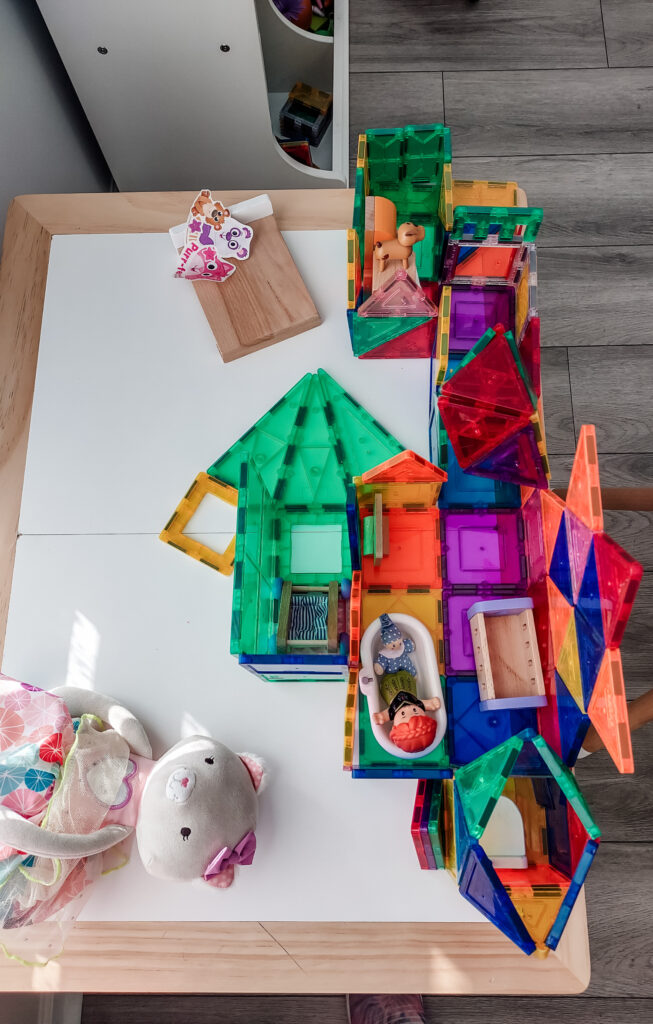
Step 1: Get Organized!
You may find it helpful to make a list, mental or written, of the primary places your kids play and where most of their toys are currently residing.
For example, in my house, these are all the locations that toys are housed:
- Garage
- My car
- Backyard
- Downstairs playroom
- Upstairs loft area
- 3 year old’s bedroom
- 18 month old’s bedroom
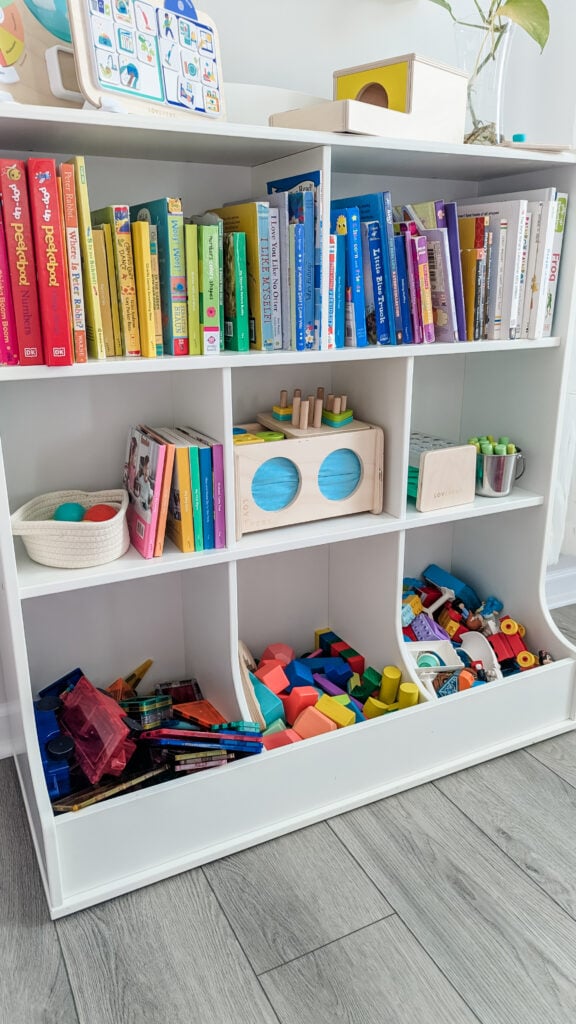
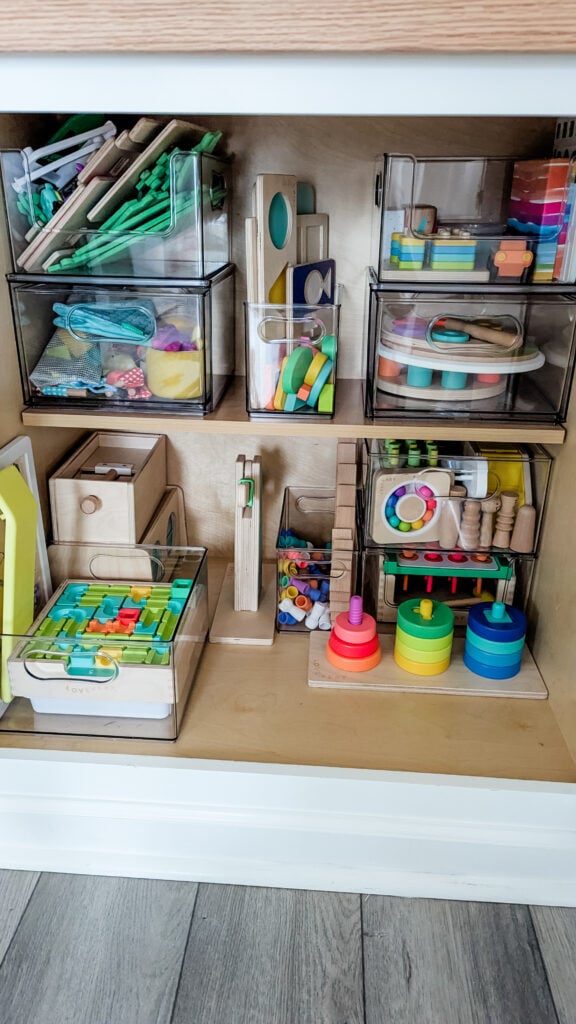
Step 2: Declutter
- Now that you have a firm idea of where all the things are located in your home, it’s time for step 2.
- The second step is actually my favorite.
- Before setting up the toy rotation itself, you’ll need to declutter what you currently have (based on where all the toys are located in Step 1).
Generally, when decluttering, you have 4 avenues:
- Garbage
- Recycling
- Donation
- Marketplace

Toss It or Recycle It!
- Toys or puzzles with broken or missing pieces
- Torn/ripped stuffed animals
- Random mismatched toys
- Broken crayons
- Ripped books or books with missing pages

Donate It or Sell it!
- Toys, stuffed animals, puzzles, or books that have not been played with in a while or are no longer age-appropriate (if you are saving for another baby, you can store these toys in a labeled plastic bin)
- Duplicates – no one needs two of the same book, toy or stuffed animal – unless it’s very sentimental, it’s unnecessary clutter and could benefit another child
Now that you have decluttered, you are starting this process with less “stuff” which will make everyone’s lives easier.
Read: Ultimate Guide to Decluttering the Toys
How to Set up a Toy Rotation
Step 3: Get your bins
- If you have space in your attic or basement, you can use large clear bins with the “latch” handles.
- I find these to be just the right size for storing a good amount of toys.
- I like to use clear bins so I can actually see what’s inside of them.

How many bins you’ll need really depends on how many toys you have after you’re done decluttering (and how much space you have to store your bins).
You can also use smaller, shoe box-size bins if you’re not planning on storing the toys away for a long time, and you want to be able to switch them out easily.
Step 4: Decision Time!
- Whether or not you include your kids in the process is really up to you.
- When my toddler was about 3 she helped me decide which toys to put away in the bin and she physically put them in herself and watched my husband put the bin away in the attic.
- This helped her to understand that we would not being playing with those toys or reading those books for a while.

We sat down together in the playroom, the loft and in her room and we went through our many books, puzzles, stuffed animals, etc. and together we decided what we could “live without” so to say.
And I may or may not have thrown some books in there I was very much tired of reading. Winning all around!
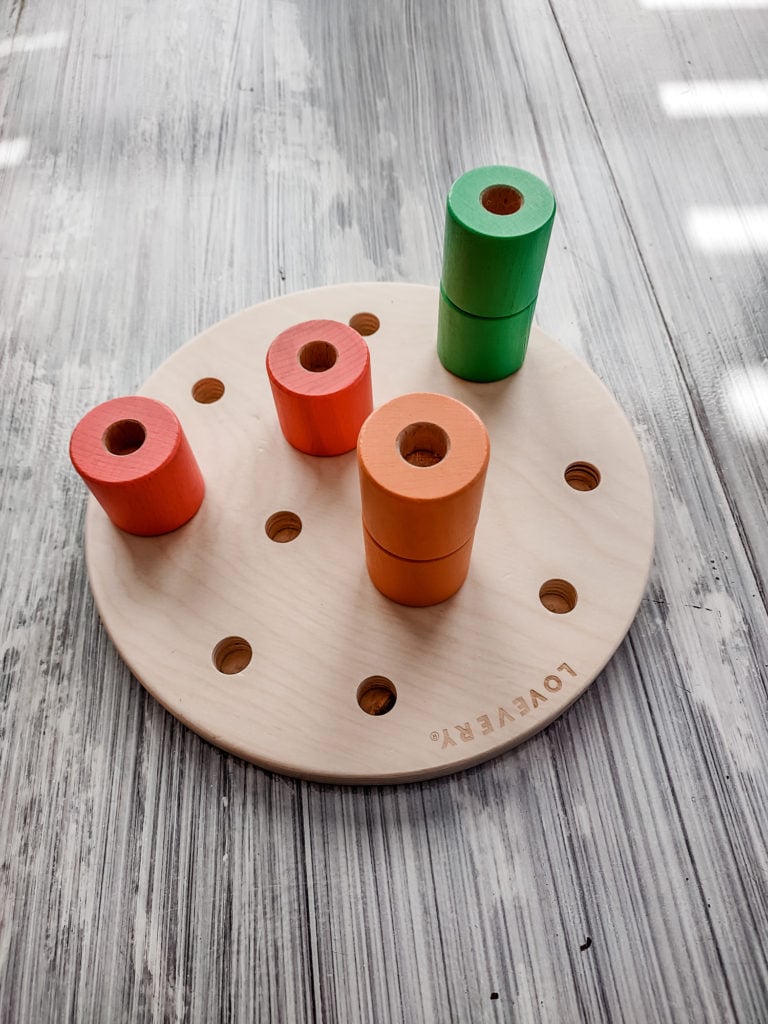
Can’t decide what to put away? Here are my best tips!
- Toys that are very similar: in order to keep a toddler’s interest and teach them to play independently, they often need to feel they are playing with something “new” – to accomplish this without having to actually buy new things, put away toys that are similar or interchangeable. For example: one alphabet puzzle stays out, one gets put away. When they finally get rotated – ta’da! It’s as if the other puzzle is brand new!
- Books that have worn out their welcome: To any mom who has read “Wheels on the Bus” or that Daniel Tiger story for the thousandth time, this one’s for you. Time for those books to say bye-bye for a little while.
- Stuffed animal takeover: I have a love-hate relationship with stuffed animals. Photographic evidence suggests I was a stuffed animal hoarder as a child and my own girls have become very similar. However, as a mom, there is something about stuffed animals being everywhere, all over the house (and covered in dog hair, I might add), that simply drives me nuts. At one point I realized we had 5 different stuffed bunnies. 4 bunnies were donated, 1 was kept. Now that’s the kind of math I could get used to.
- One Thing In, One Thing Out: This is a great rule to adopt around birthday and holiday time when there is an influx of toys. In order to keep the clutter under control, you can put this rule in place. Whether “out” means in a rotation or donation bin is up to you!

Step 5: Celebrate!
Enjoy less legos to step on, and more time spent engaged with fewer things.
Read: 10 Minute Timer Decluttering Challenge
Next-Level Toy Rotation Ideas
Seasonal Rotation
To the mom who has read “Frosty the Snowman” 300 times in the month of July, this idea is for you.
In our house, we love a good holiday book.
What we don’t love, is reading said holiday books all throughout the year.

- Enter, the Seasonal Toy Rotation.
- In our attic we have clear bins dedicated to holiday decorations: Easter/Passover/Spring, Christmas/Hanukkah, Halloween/Fall, etc.
- Along with the decorations, we also store our seasonal book collections in their designated bins.
The great thing about this is it doesn’t require any extra work, since we are taking those decorations out anyways, and when those books reappear each holiday season, their magic is once again restored.
This would also work with any holiday-themed puzzle, stuffed animal, activity book, etc.

Location Rotation
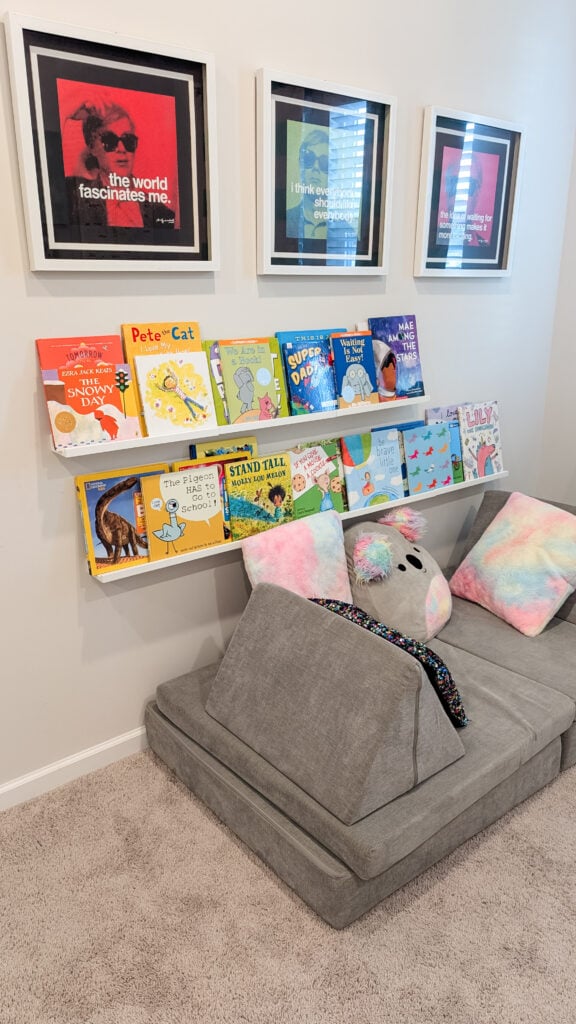
We live in a 2 story home with a playroom downstairs and an upstairs loft with toy bins and bookshelves.
In general, we spend more time downstairs since that’s the main living area of our home, so the “upstairs” toys often don’t get played with as frequently.
If your home is similar, you may find it helpful to choose a couple of toys, books, puzzles, stuffed animals, etc. from downstairs and switch them out for some toys from upstairs.
You may be surprised how simply changing the location of a toy can change how your child plays and interacts with it.
Quiet Time Bins
If you’ve ever suffered through a no-nap day with your toddler, then you’ll be glad to discover the wonder that is a Quiet Time Bin.
This is pretty much what it sounds like: a bin full of toys and books your toddler can play with quietly in their room.
There were many days my toddler would fall asleep right on the floor while playing with her quiet time toys.
Toddlers need a little “me time” even if they aren’t old enough to realize it.
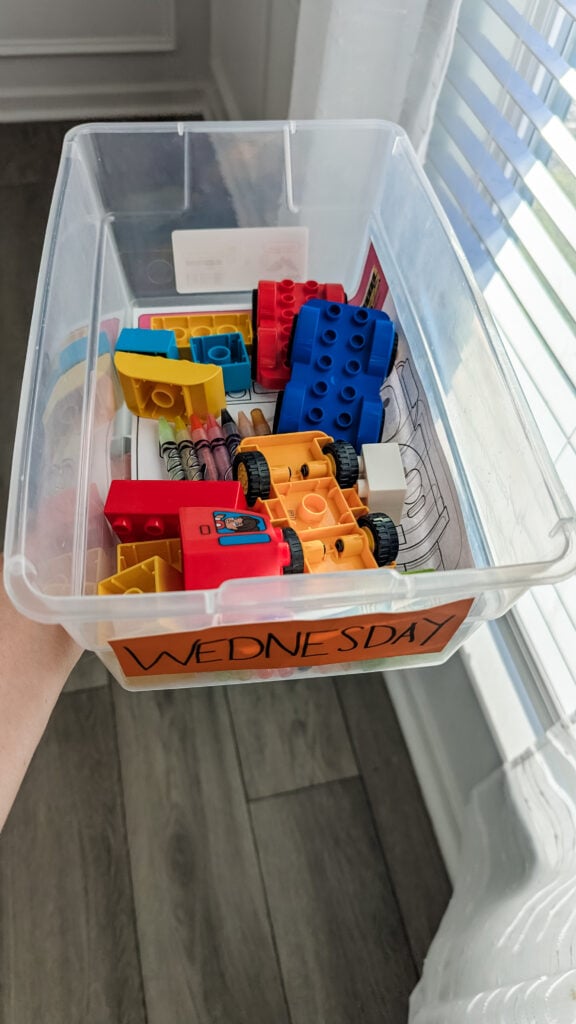
Spending 30 minutes or an hour just playing alone, without anyone instructing them or asking questions can do wonders for their behavior.
What to include in a Quiet Time Bin?
When deciding which toys to rotate, you can also designate some special toys to be reserved specifically for quiet time.
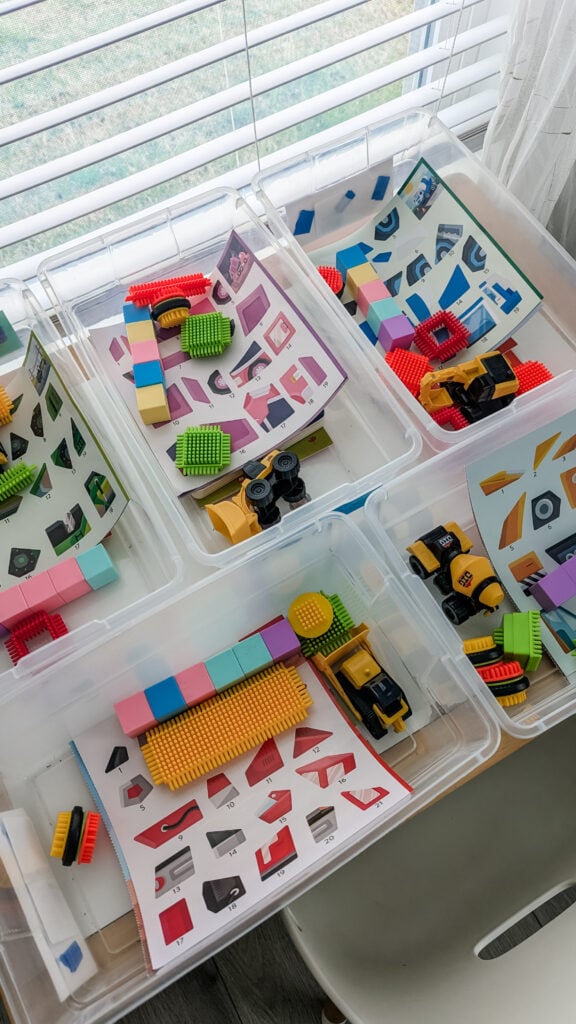
Read: How to Make a 3 Year Old Quiet Time Bin
Limited Access
This is exactly what it sounds like.
Young kids, especially toddlers, do not need constant access to every toy, book, or game in the house.

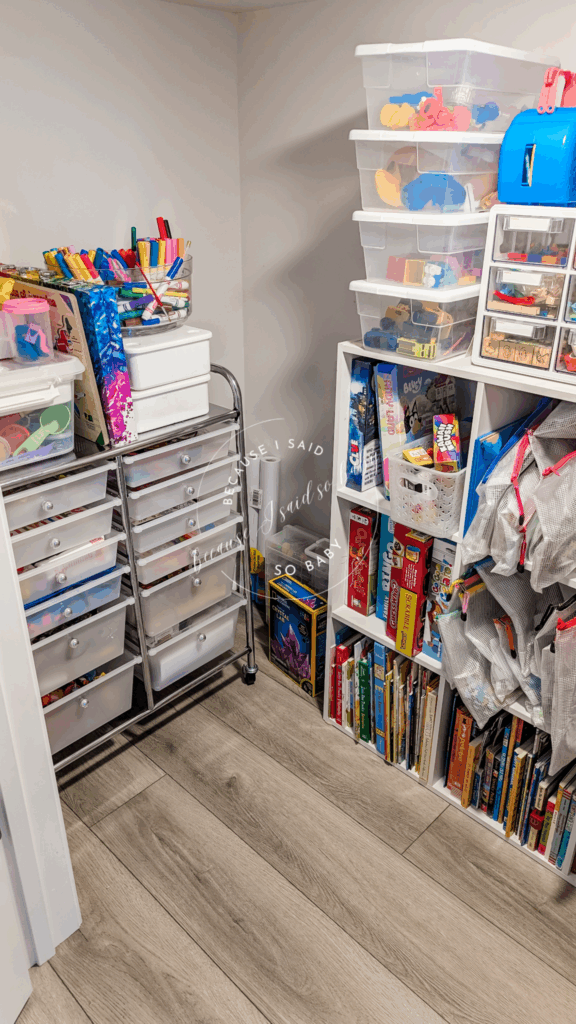
I keep all of our preschool-type activities, such as math puzzles, workbooks, learning activities, and art project kits in our hall closet.
Out of sight, out of mind.
And since these activities are not readily available in the playroom, they feel more special when they are taken out of the hall closet.
While decluttering can make a huge difference, simply putting some toys away, where they are not readily available, can also be impactful as well.
What to Read Next:
- How to Organize All of the Activity Supplies
- Ultimate Guide to Toddler Busy Bins
- Things That Go Preschool Busy Bins
- Ultimate Guide to Play Dough (Recipes, Activities & Organization)
- Best Open-Ended Toys for Toddlers
Follow Marla on Instagram for more practical ideas for everyday #momlife
Recommended products
The Ultimate Stay at Home Mom Course
Learn exactly how to implement simple systems and routines to take your stay at home mom life from total chaos to calm, confident, and in control.









4 Comments